

The Role of Emotions in Gambling
Emotions play a crucial role in how individuals engage with gambling activities. For many, the thrill of winning or the tension of risk creates powerful emotional responses that can influence decision-making, especially when considering how to bet on super bowl. This emotional rollercoaster often encourages players to continue gambling despite losses, driven by the hope of recouping their investments or experiencing the rush of excitement again.
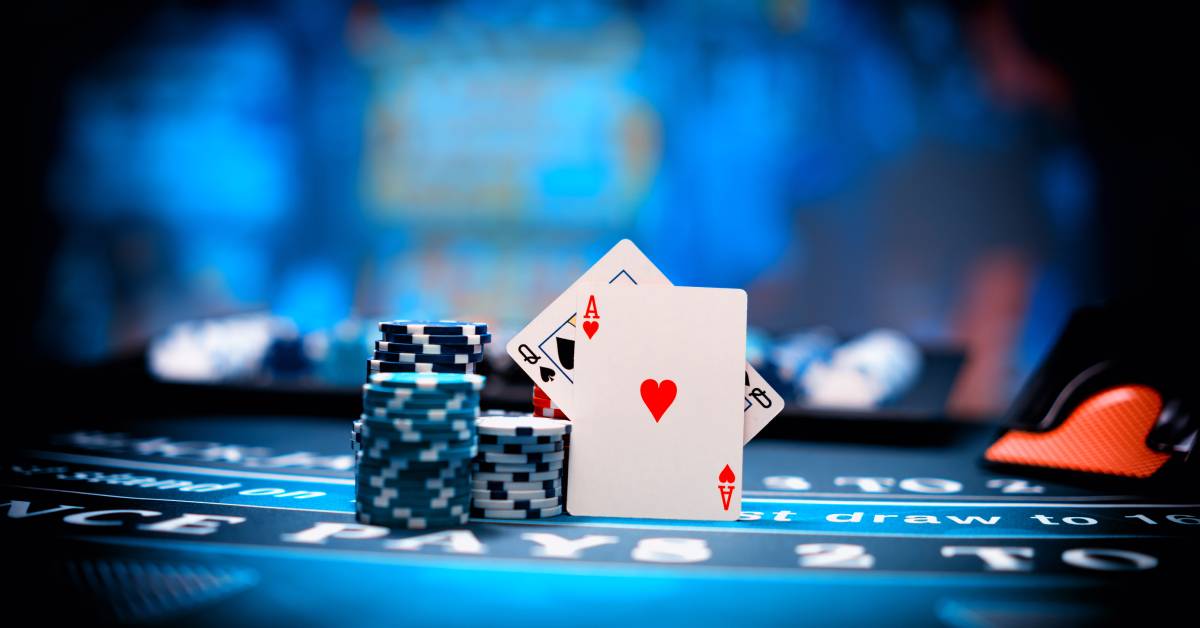
An emotional attachment to the process of gambling can lead to behaviors such as chasing losses, where gamblers increase their bets in an attempt to regain what they have lost. This reaction can create a cycle of dependence on gambling activities, highlighting the impact of emotional regulation on betting behavior.
Cognitive Biases and Their Influence
Cognitive biases, or systematic errors in thinking, can heavily influence gambling behavior. One of the most common biases among gamblers is the illusion of control, where individuals believe they can influence the outcome of games predominantly based on chance. This belief can lead to overconfidence, encouraging players to take risks they might otherwise avoid.
Additionally, the availability heuristic plays a role, where individuals recall recent wins more readily than losses. This can distort their perception of the overall odds of winning, leading them to believe they are luckier than they genuinely are. Understanding these cognitive biases can help individuals become more aware of their gambling habits and the underlying psychological factors driving them.
The Social Aspect of Gambling
The social environment surrounding gambling can significantly affect behavior. Engaging in gambling with friends or in communal settings often enhances the overall experience, creating a sense of belonging and shared excitement. This social reinforcement can lead to increased participation, as individuals seek the camaraderie and validation that comes from group activities.
Conversely, social pressures can also compel individuals to gamble more than they plan. The desire to fit in or impress peers can override personal limits, making it essential for gamblers to navigate these social dynamics consciously. Recognizing the influence of social interactions is vital for understanding and potentially mitigating harmful gambling behaviors.
The Impact of Personal Factors
Personal characteristics, including personality traits and individual circumstances, greatly influence gambling behavior. Traits such as risk tolerance, impulsivity, and sensation-seeking can predispose individuals to engage in gambling activities more frequently. Those with higher impulsivity might struggle with controlling their gambling tendencies, leading to potential financial and emotional consequences.
Moreover, personal circumstances such as financial stressors can exacerbate gambling behaviors, often leading individuals to gamble as a means of escape or a misguided strategy to solve monetary issues. Recognizing these personal factors can be crucial for developing effective strategies for responsible gambling.
About Our Website
This website is dedicated to providing informative content for individuals seeking to explore various topics related to gambling behaviors and psychological influences. While currently facing access issues, our goal is to create a user-friendly experience that allows visitors to navigate through valuable resources effectively.
We encourage users to explore our available sections and check back often for updates. Our commitment is to foster a better understanding of gambling and its psychological implications, empowering individuals to make informed choices regarding their gambling activities.